On-Site Nitrogen Generation
Nitrogen Generator for Sintering
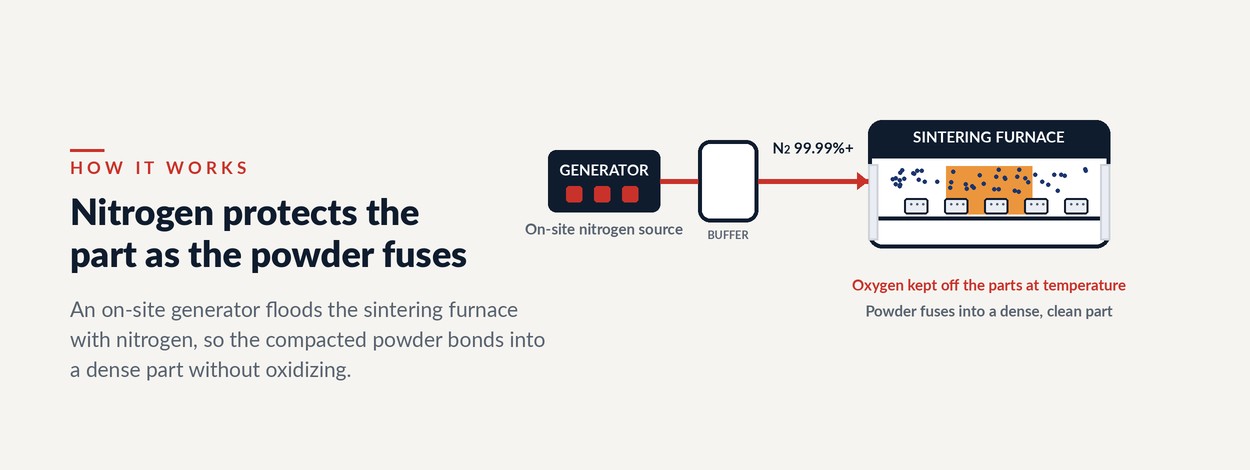
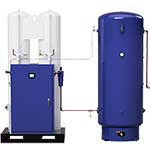
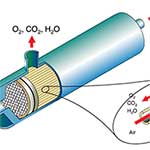
A nitrogen generator for sintering produces the furnace atmosphere on site from compressed air, flooding the hot zone with nitrogen so oxygen never reaches the parts. As compacted powder fuses during the long high-temperature soak, the nitrogen keeps it from oxidizing or losing carbon, so the part comes out at full density and clean. Because a sintering furnace runs continuously and consumes nitrogen in high volume, generating it on site costs far less than the cylinders or bulk liquid it replaces.
Purity sintering atmospheres typically need
Gas cost vs delivered nitrogen
Typical payback on continuous duty
Domestic build, ASME tanks standard
How It Works
What nitrogen does in sintering
Sintering turns compacted metal powder into a solid part by holding it just below the melting point, so the powder particles bond to each other across their contact points and the part densifies. That soak is where atmosphere matters. A pressed powder part has a huge internal surface area, and in open air that surface oxidizes and loses carbon long before the particles can fuse cleanly.
A nitrogen atmosphere removes the oxygen. Flooding the furnace with nitrogen keeps air off the part through the entire heat-up, soak, and cooldown, so the powder bonds without scaling. Most sintering atmospheres are nitrogen or a nitrogen-hydrogen blend, where the nitrogen is the bulk protective gas and a small hydrogen addition reduces any surface oxide that is already there.
Shield
Keep oxygen off the powder
Nitrogen displaces the air in the hot zone so the large internal surface of the pressed part does not oxidize or decarburize while it is at temperature. Clean particle surfaces are what let the powder fuse instead of bonding through scale.
Carry and sweep
Bulk gas for the atmosphere
Nitrogen is the carrier that makes up most of the atmosphere and sweeps the furnace continuously. In metal injection molding it also clears the gases given off as the last binder burns out, so they do not redeposit on the part.
Repeatable
Consistent density and size
A stable, oxygen-free atmosphere gives the same shrinkage and final density batch after batch. For close-tolerance powder metallurgy and MIM parts, that repeatability is what keeps finished dimensions on print.
Where It Fits
Powder metallurgy that runs on nitrogen
Continuous and batch sintering furnaces use nitrogen as the primary atmosphere across most production powder metals. These are the operations where generating nitrogen on site pays off, because the furnace draws gas continuously every shift.
Highest volume
Ferrous PM structural parts
Gears, bushings, sprockets, bearing caps, and other pressed iron and steel components are sintered in a nitrogen or nitrogen-hydrogen atmosphere. This is the largest use of nitrogen in powder metallurgy, and the steady volume makes on-site generation an easy call.
Common fit
Metal injection molding (MIM)
MIM parts are debound to remove the binder, then sintered to near full density, and both steps commonly run under flowing nitrogen. The nitrogen clears the binder gases and protects the small, high-precision parts as they shrink and densify.
Common fit
Stainless and specialty alloys
Stainless and many specialty powders sinter under a nitrogen-based atmosphere, with the blend set to the grade. Some stainless grades are run with controlled nitrogen so they pick up only the amount the spec calls for, and a built-in oxygen analyzer confirms the feed stays on target.
Different tool for the job
Vacuum and pure-hydrogen sintering
Some high-performance parts sinter under vacuum or pure hydrogen rather than nitrogen. A nitrogen generator fits the large nitrogen and nitrogen-hydrogen furnaces, and can also feed a vacuum furnace's nitrogen backfill and quench. If your line also hardens or anneals, see nitrogen for heat treating and annealing.
Why Generate It On Site
A sintering furnace is built for on-site nitrogen
A sintering line runs the same atmosphere all day and burns through a lot of nitrogen doing it. Pulling that nitrogen from compressed air at the furnace turns a recurring delivery bill into a fixed power cost and takes cylinder swaps and run-outs off the floor.
Lower cost per part
On-site generation produces nitrogen at up to 90% less than delivered cylinders or bulk liquid. On continuous sintering duty most customers recover the full investment in 12 to 14 months, and the system runs for 20 years or more.
The purity your alloys need
Sintering atmospheres usually want 99.99% or higher, and our systems reach up to 99.9995% for the most oxygen-sensitive work. A built-in oxygen analyzer reads the nitrogen feed continuously so you can confirm it stays on spec.
Continuous, every shift
A sintering atmosphere cannot lapse during a soak without ruining a load. On-site generation feeds a buffer tank continuously, so there is no delivery gap and no last cylinder running dry partway through a long cycle.
Sized to your real demand
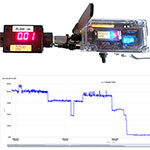
If you do not know your furnace flow yet, we send a flow meter at no cost with a cellular logger that streams your real usage to a web dashboard. The system is then sized to actual demand, not a guess. You cover only the return shipping.
Common Questions
Nitrogen for sintering FAQ
Why is nitrogen used in sintering?
A pressed powder part has a large internal surface area, and during the long high-temperature soak that surface oxidizes and loses carbon in open air before the particles can fuse. Nitrogen displaces the oxygen in the furnace so the powder bonds clean and reaches full density. It is inert toward most sintered metals, widely available, and the lowest-cost atmosphere gas, which is why it is the standard choice for powder metallurgy.
What nitrogen purity does sintering need?
Most sintering atmospheres run nitrogen at 99.99% or higher, with low oxygen and a low dewpoint. The exact target depends on the alloy: stainless and other oxygen-sensitive powders need the cleanest feed, while many ferrous parts tolerate a little more. Our generators deliver up to 99.9995% when the work demands it, and a built-in oxygen analyzer confirms the feed stays on spec.
What atmosphere is used for metal injection molding (MIM)?
MIM parts are first debound to remove the binder and then sintered to near full density, and both steps commonly run under flowing nitrogen or a nitrogen-hydrogen blend. The nitrogen clears the gases given off as the last binder burns out and protects the small parts as they shrink, so they hold their precise final dimensions. Some grades finish under vacuum or hydrogen, but nitrogen is the workhorse bulk gas for the line.
Is nitrogen or a nitrogen-hydrogen blend used for sintering?
Both, and they work together. Nitrogen is the bulk protective gas that makes up most of the atmosphere, and a small hydrogen addition is mixed in at the furnace to reduce surface oxides on the powder. The ratio is set by the alloy and the furnace. A nitrogen generator supplies the nitrogen that the blend is built on, sized to the furnace's continuous demand.
Can I use a nitrogen generator for a vacuum sintering furnace?
A vacuum furnace pulls its atmosphere out with a pump rather than feeding gas during the soak, so the sinter itself is not done under nitrogen. Many vacuum furnaces still use nitrogen for backfill, partial-pressure control, and gas quenching at the end of the cycle, and a generator supplies that nitrogen well. Tell us how your furnace runs and we will point you to the right setup.
Is an on-site nitrogen generator worth it for a sintering furnace?
For a furnace running every shift, yes. On-site generation produces nitrogen at up to 90% less than delivered cylinders or bulk liquid, and most sintering customers recover the full investment within 12 to 14 months. The system runs for 20 years or more and removes the cylinder swaps and run-out risk that can ruin a load mid-cycle.
Build On What You Know
Resources to spec your system
Stop Buying Cylinders
Size a nitrogen generator for your sintering line
Tell us your furnace type, the powders you sinter, and your target purity, and we will size the on-site nitrogen system and quote the complete package. If you do not know your furnace flow yet, we will send a flow meter at no cost to measure your real demand first. No obligation.