
Breweries & Microbrews
Nitrogen Generators for Breweries and Microbrews
On-site nitrogen for tank and keg purging, bright-tank blanketing, package purging, headspace flushing, and inert transfer. 99.5% to 99.9% purity feeding the cellar, the packaging line, and the keg room from a single source. Nitrogen handles the inert work that protects beer from oxygen, while carbon dioxide stays free for carbonation. Up to 90% lower gas cost than delivered cylinders and bulk liquid, with most breweries paying back in 12 to 14 months.
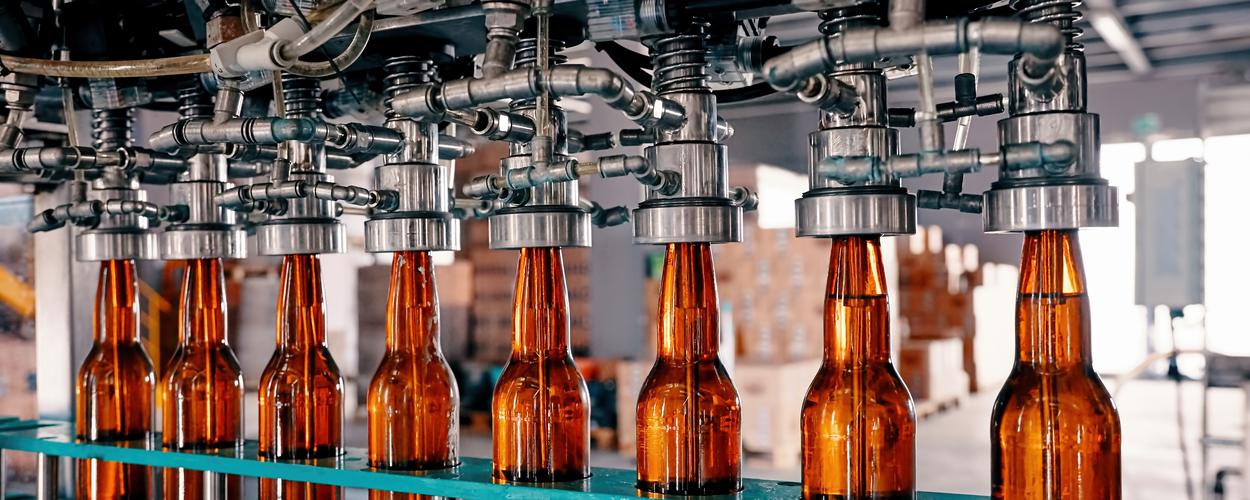
Tank purging, bright-tank blanketing, package purging, keg fill across brewpubs, craft microbreweries, and production breweries nationwide.
What we do
Oxygen is the enemy of finished beer. It drives staling, cardboard and papery off-flavors, and the loss of hop aroma, so breweries use nitrogen to purge and blanket tanks, kegs, and packages at every step where air would otherwise reach the beer. A nitrogen generator for breweries replaces delivered cylinders and bulk liquid with a continuous on-site supply. Gas Generation Solutions designs these systems for brewpubs, craft microbreweries, regional production breweries, and cideries. Our systems produce nitrogen at purities from 95% up to 99.9995%, reducing gas costs by up to 90% compared to delivered cylinders and bulk liquid nitrogen. Nitrogen handles the inert work of purging, blanketing, package purging, and transfer, while carbon dioxide stays free for carbonation. Gas Generation Solutions was incorporated in 1979 and has over 40 years of industry experience. Our USA-built systems ship across the United States, Mexico, and Canada. For broader food and beverage context, see the food grade cornerstone or the closely related winery nitrogen page.
Applications
How nitrogen is used in a brewery
A correctly sized on-site generator supplies every nitrogen point of use in the brewery from a single source: the cellar, the packaging line, the keg room, and transfer lines between them.
Tank & keg purging
Purge tanks and kegs between batches so the next fill does not oxidize, sour, or pick up off-flavors. Remove air from the vessel before beer goes in.
Bright-tank & finished-beer blanketing
Hold an inert nitrogen blanket over beer in bright tanks and serving tanks, preventing surface oxidation through conditioning and storage.
Can & bottle purging before fill
Purge cans and bottles with nitrogen before fill to drive air out of the container, protecting flavor and shelf life.
Headspace flushing before closure
Flush package headspace with nitrogen before the seam or cap goes on to knock down total package oxygen at the point that matters most.
Inert transfer & line purging
Push beer through lines during transfer and packaging without oxygen pickup, and purge fill lines and hoses before and between runs.
Keg fill & nitro dispense
Purge and fill kegs, and feed nitrogen-blend beer gas for nitro and stout dispense. Same generator, different connection, no separate supply.
One generator, whole-brewery supply. A properly sized on-site system feeds every nitrogen demand from one source: the cellar, the canning or bottling line, the keg room, and transfer lines. One generator replaces the complete delivered-nitrogen supply chain.
Purity & gas choice
Two purity tiers for brewing. Nitrogen for the inert work, carbon dioxide for carbonation.
Nitrogen purity
99.5% for most brewery work, 99.9% for low-oxygen packaging programs
Breweries run at standard food-grade nitrogen purities, measured as percent N₂ with the balance as residual oxygen in parts per million.
5,000 ppm O₂
Typical for tank and keg purging, bright-tank blanketing, inert transfer, and line work. Covers the majority of brewery nitrogen consumption.
1,000 ppm O₂
Packaging programs targeting low total package oxygen, extended shelf life, and export distribution where lower in-package oxygen is required.
Nitrogen vs carbon dioxide
Two gases, two jobs. Nitrogen does the inert work; CO2 carbonates.
Breweries need both gases. The split is straightforward, and on-site nitrogen captures the cost on the largest controllable share of the gas bill.
Use for: purging, blanketing, packaging, transfer
Tank and keg purging, bright-tank blanketing, package purging, headspace flushing, and inert transfer. Non-carbonating, and significantly less expensive when produced on-site.
Use for: carbonation
Carbonation and any process where dissolved carbon dioxide is wanted in the beer. On-site nitrogen does not replace carbonation; it replaces the purchased gas used for purging and blanketing.
Sizing & ROI
Sized to measured demand, paid back in 12 to 14 months
Brewery tiers
Nitrogen consumption by brewery size
Brewpub & nanobrewery
Taproom-scale production. Keg purging and fill, intermittent tank blanketing, limited small-format packaging.
Craft microbrewery
Regular canning or bottling runs, multiple bright tanks, an active keg program, and inert transfer between vessels.
Regional & production brewery
High-speed canning or bottling line with continuous purging and headspace flushing, plus simultaneous cellar demand across a large tank farm.
Our free flow meter rental with cellular data logger measures actual consumption across real packaging runs and routine cellar work. Measured data drives sizing instead of nameplate estimates.
Cost & payback
Up to 90% lower gas cost vs delivered nitrogen
12–14 mo
Typical payback
20+ yr
Service life
$10,000 to $150,000+ system price range across brewpub to production breweries.
Delivered nitrogen for a brewery carries compounding costs: gas charges, cylinder or dewar rental, hazmat fees, delivery surcharges, and boil-off from idle liquid tanks. On-site generation eliminates all of them. Recurring cost is electricity for compressed air plus routine filter changes. Over a 20-year service life, cumulative savings commonly reach well into six figures for a production brewery.
Related pages
Food grade context, MAP science, and other F&B segments
The brewery page is one part of a broader F&B cluster. Go up to the food grade cornerstone and MAP packaging science, or across to other F&B segments served by the same generator family.
F&B cornerstone
Food Grade Nitrogen Gas Generator
MAP sub-hub
Nitrogen Generator for Food Packaging and MAP
Wineries
100% N₂Sparging, tank blanketing, barrel work, bottling.
Coffee
100% N₂Whole bean, ground, pods, RTD, cold brew.
Cheese
60/40 · 70/30Shredded, sliced, block, grated, bulk.
Snack Food
100% N₂Chips, jerky, nuts, popcorn, trail mix.
Salad & Lettuce
EMAP balanceSpring mix, baby greens, salad kits.
Pet Food
100% N₂Dry food, treats, birdseed.
Size Your Brewery System
Borrow a flow meter. Size the generator to your real packaging-run demand.
We rent a flow meter at no charge, sized for brewery service. The meter installs inline between your current nitrogen supply and the cellar or packaging line, with a cellular data logger so you can view flow rate and pressure in real time on our dedicated server. No WiFi required at your facility. After a few packaging runs and a stretch of routine cellar work, we size the generator and storage to your measured peak simultaneous demand, not a nameplate estimate. Most breweries recover their full system investment inside 14 months.
Already know your flow, purity, and pressure? Send them over with your packaging line and cellar layout and we will return a complete quotation the same day.
Frequently asked
Questions about brewery nitrogen generators
What nitrogen purity do breweries need?
Breweries run at 99.5% to 99.9% nitrogen purity (1,000 to 5,000 ppm oxygen). Most purging, blanketing, and transfer work runs at 99.5%. Packaging programs targeting low total package oxygen and extended shelf life push to 99.9%. Breweries do not require purity higher than 99.9%. Our generators are capable of any purity from 95% up to 99.9995% for specialty applications.
Can nitrogen replace CO2 in a brewery?
Nitrogen replaces purchased gas for the inert tasks: purging tanks and kegs, blanketing bright tanks and finished beer, package purging, headspace flushing, and inert transfer. It does not replace carbon dioxide for carbonation. Most breweries shift the majority of their non-carbonating gas use to on-site nitrogen and keep carbon dioxide for carbonation, which captures the savings on the largest controllable share of the gas bill.
How is nitrogen used in a brewery?
Nitrogen purges tanks and kegs between batches so the next fill does not oxidize or sour, blankets bright tanks and finished beer against surface oxidation, purges cans and bottles before fill, flushes package headspace before the closure, pushes beer through lines during inert transfer, and feeds nitrogen-blend beer gas for nitro and stout dispense.
Does nitrogen reduce dissolved oxygen and staling in beer?
Yes. Oxygen drives staling, cardboard and papery off-flavors, and the loss of hop aroma. Purging and blanketing with nitrogen displace air at every transfer and packaging step where oxygen would otherwise reach the beer, lowering total package oxygen and protecting flavor, aroma, and shelf life. Consistent high-purity nitrogen supply is what makes this effective, which is exactly what on-site generation provides.
Can one nitrogen generator feed purging, blanketing, and packaging?
Yes. A single generator sized to total brewery demand can supply the cellar, the canning or bottling line, the keg room, and transfer lines from one source. This is more cost-effective than running separate supplies at each demand point and simplifies expansion when production grows.
How much does a nitrogen generator for a brewery cost?
Systems for breweries typically range from approximately $10,000 for a brewpub or nanobrewery to over $150,000 for a large production brewery with a high-speed packaging line and a large cellar. Price depends on total flow rate, required purity, delivery pressure, and any redundancy requirements. Regardless of system size, the average payback remains 12 to 14 months.
How much nitrogen does a brewery use?
Consumption varies by production size and packaging activity. Brewpubs and nanobreweries typically use 20 to 200 SCFH. Craft microbreweries use 200 to 1,500 SCFH. Regional and production breweries use 1,500 to 10,000 SCFH. Our free flow meter rental measures your actual consumption across real packaging runs and routine cellar work.
How long does a brewery nitrogen generator last?
Our systems are designed for 20 years or more of continuous service. Sealed sieve beds do not require replacement or top-off under normal operating conditions. Competing systems using flanged sieve beds may require sieve replacement every 8 to 10 years, which is a significant hidden cost over the life of the equipment. Call 760-505-1300 or contact us here for a same-day quotation.