Laser Cutting
Nitrogen Generators for Laser Cutting
High-pressure on-site nitrogen for fiber and CO2 lasers. 99.9% up to 99.999% purity, up to 500 PSIG, sized from a single laser to a multi-laser production line. Up to 90% lower gas cost versus delivered nitrogen. Most laser shops recover their full investment inside 14 months.
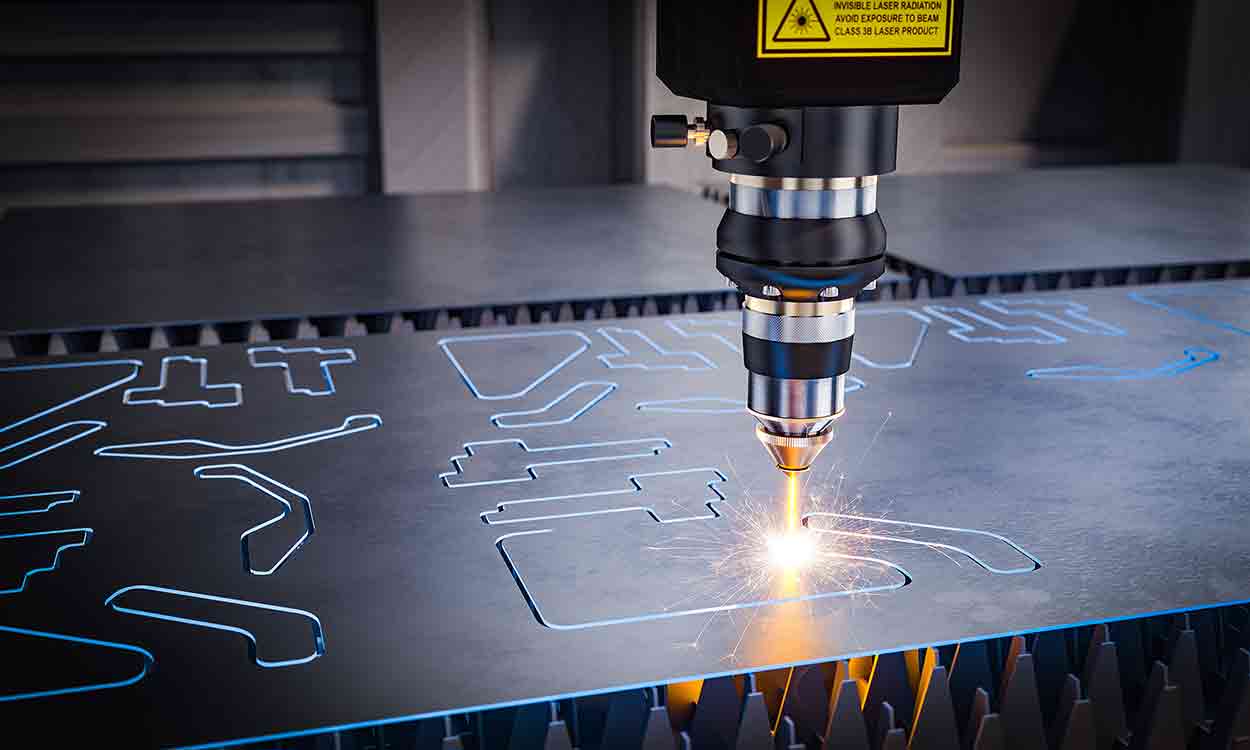
High-pressure nitrogen assist gas for fiber and CO2 lasers. Generated on-site at 99.9% to 99.999% purity, fed to the laser at up to 500 PSIG, sized for one laser or a multi-laser production line.
What we do
Gas Generation Solutions designs and supplies on-site nitrogen generators for laser cutting across the United States, Mexico, and Canada. A high-pressure nitrogen generator for laser cutting delivers 99.9% up to 99.999% purity, with output pressure to 500 PSIG using booster packages, sized from a single fiber laser to a multi-laser production line. We work with every major laser brand, including Trumpf, Bystronic, Amada, IPG, Mazak, LVD, and Prima Power. Incorporated in 1979, we have over 40 years of industry experience. A nitrogen generator for laser cutting replaces delivered liquid or bulk nitrogen at roughly one-tenth the operating cost, with most laser shops recovering their full investment inside 14 months. For job shops with intermittent demand, we also build off-peak systems that fill a cylinder bank overnight and deliver nitrogen at full pressure during cutting hours from a smaller and lower-cost generator.
The Quality Difference
Why nitrogen cuts clean where oxygen cuts dirty
Oxygen-assisted laser cutting leaves an oxide layer on the cut edge that requires secondary finishing. Nitrogen is inert, so it leaves a bright, clean, weldable, and paintable edge straight off the laser.
Oxide-free edges
Stainless steel, aluminum, and aluminum alloys come off the laser with a bright, weldable, and paintable edge. No pickling, grinding, or post-finish required before the next operation.
Higher pressure, faster cuts
High-pressure nitrogen blows molten material out of the kerf cleanly. Output to 500 PSIG with our booster packages cuts thick stainless and aluminum at production speed with minimal dross.
Sized for production lines
Single-laser jobshops to multi-laser production. We size the generator, booster, buffer storage, and feed-air compressor to your actual gas demand schedule. Free flow meter rental confirms peak demand before sizing.
Cut Quality by Material and Assist Gas
What nitrogen vs oxygen looks like at the kerf
| Material | Oxygen Assist | Nitrogen Assist |
|---|---|---|
| Stainless steel | Oxide discoloration on the cut face. Requires pickling or grinding before welding. | Bright, oxide-free edge. Weldable and paintable straight off the laser. |
| Aluminum and alloys | Heavy dross, rough edges, frequent secondary deburring needed. | Clean cut, minimal dross. Standard for production aluminum work. |
| Mild steel | Lower gas cost. Acceptable for cuts that will be welded over or coated. | Clean cut, no oxide layer. Required when the cut edge is the finished edge. |
| Galvanized steel | Zinc fume and poor edge quality. | Cleaner cut. Reduced fume and better edge condition. |
| Titanium and reactive alloys | Unacceptable. Oxidation degrades part properties. | Required. Inert atmosphere preserves part metallurgy. |
Laser Cutting Specifications
Built for the pressure and purity laser cutting demands
Every laser cutting nitrogen system is sized to your laser brand, plate thickness mix, and cut hours per week.
99.999% for stainless and aluminum precision work. 99.9% acceptable for thicker mild steel where edge tolerance is wider.
Standard generator output to 150 PSIG. Booster packages take pressure to 300, 400, or 500+ PSIG depending on laser specification.
From a single fiber laser to a multi-laser production line. Multiple generators can be chained for higher demand.
Approximately one tenth the cost of delivered nitrogen. Exact figure varies with local power rate and purity setpoint.
Single-laser high-pressure systems start at $50,000. Multi-laser turnkey installations with boosters, buffer storage, and feed-air compression exceed $500,000. Most laser shops recover the full investment inside 14 months compared to delivered nitrogen.
Customer Install
Trumpf TruLaser 2030 running on on-site nitrogen, payback under 14 months
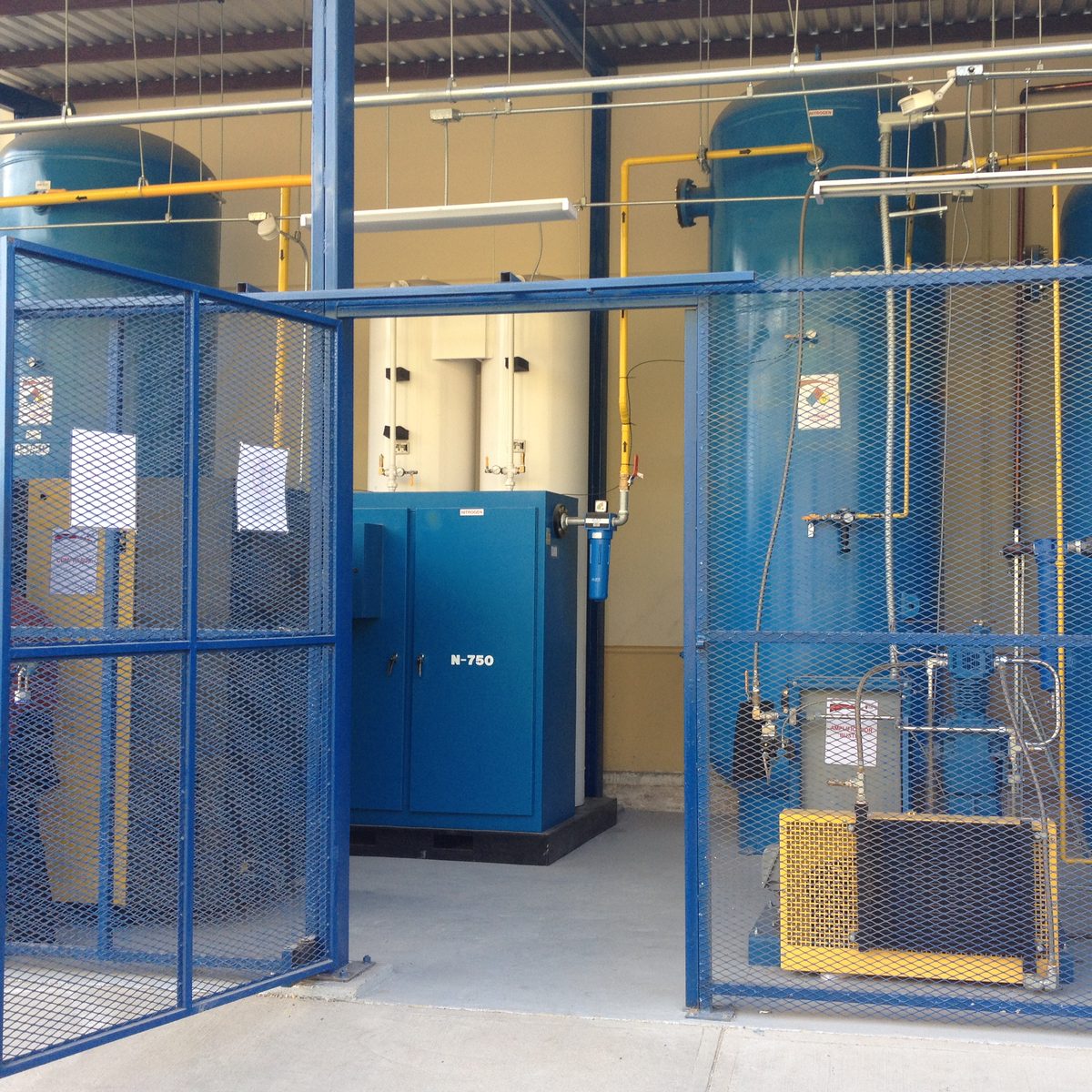
N-750 + 400 PSIG Booster
Replaced delivered bulk nitrogen with on-site supply at 99.999% purity
A laser cutting customer running a Trumpf TruLaser 2030 deployed a GGS N-750 nitrogen generator with a 400 PSIG booster to eliminate delivered bulk nitrogen. The system produces nitrogen on demand at 99.999% purity and feeds the laser at 400 PSIG through a buffer tank package sized for the cut schedule. Total payback was under 14 months, including the booster and feed-air compressor.
From the field
Nitrogen generators sized, built, and shipped for laser cutting customers
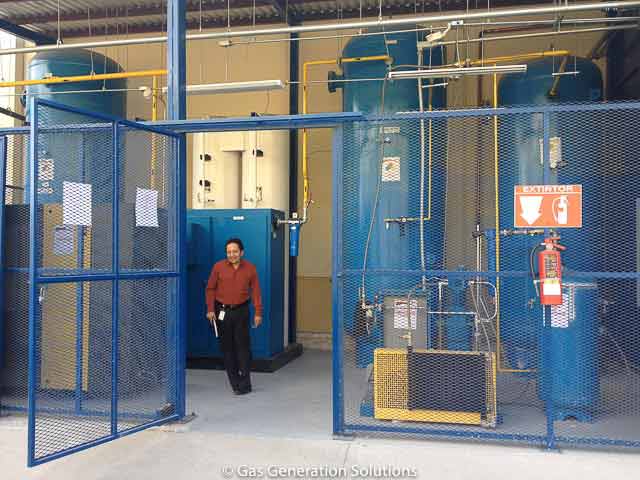
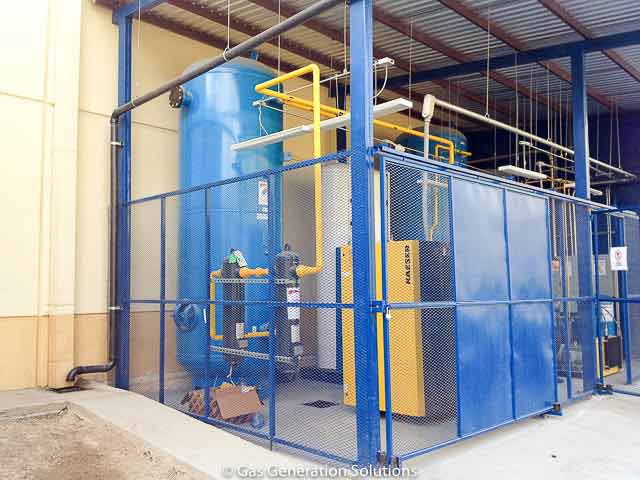
N-750 turnkey install
Outdoor system, scale shown.
Cage-style turnkey install
Vandal-protection cage build.
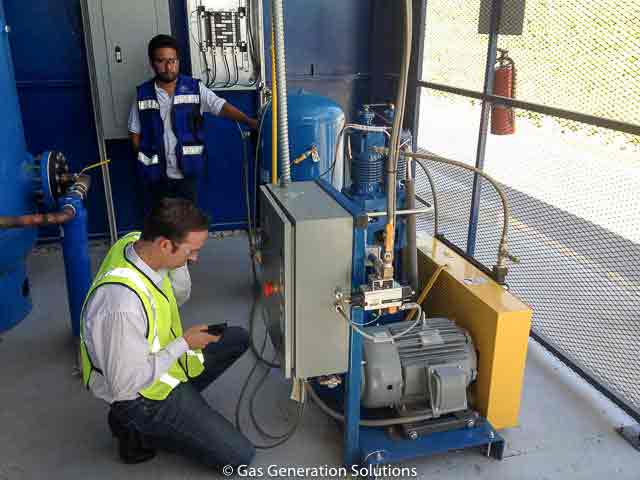
High-pressure booster
Boosted output up to 500 PSIG.
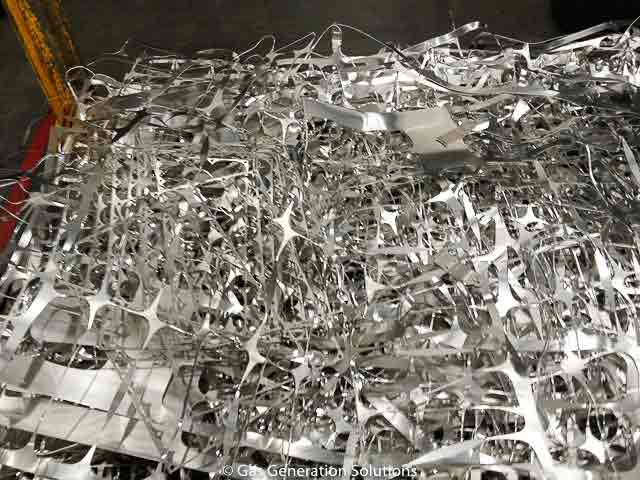
Cut samples at 99.99%
Oxide-free edges from on-site N2.
Brand-agnostic integration
Built for every major laser brand
Our high-pressure nitrogen systems integrate with fiber and CO2 lasers from every major manufacturer. Sizing is matched to your laser's gas demand schedule, not a one-size-fits-all package.
Laser Cutting Nitrogen FAQ
Common questions from laser shops
Pressure, purity, sizing, payback, and brand-compatibility questions we answer most often.
Why use nitrogen instead of oxygen for laser cutting?
Nitrogen is an inert assist gas, so it leaves a bright, oxide-free edge on stainless steel, aluminum, and aluminum alloys. The cut edge is ready for welding or painting straight off the laser. Oxygen leaves an oxide layer that requires pickling, grinding, or other secondary finishing before the next operation. Oxygen is cheaper but only acceptable when the cut edge will be welded over or coated. Nitrogen is required for titanium and reactive alloys.
What nitrogen purity do I need for my laser?
Most laser cutting operations specify nitrogen purity between 99.9% and 99.999%. Stainless steel and aluminum precision work typically uses 99.999%. Thicker mild steel where the edge tolerance is wider can run on 99.9%. We size the system to your purity setpoint and confirm the spec against your laser manufacturer's recommendation before quoting.
What pressure does a fiber laser require?
Most fiber lasers run between 150 and 400 PSIG depending on plate thickness and material. Cutting 1/4 inch and thicker stainless or aluminum typically demands 300 to 400 PSIG. Some thick-plate cutting calls for 500 PSIG or higher. Our standard PSA generators output up to 150 PSIG. For higher pressure, we add a booster package sized to the duty cycle of your laser. Output to 500 PSIG is standard on our high-pressure builds.
How much nitrogen does my laser actually consume?
Consumption varies widely by material, thickness, nozzle size, and cut hours per week. Many shops are surprised by both their peak demand and their average. We rent you a high-pressure flow meter at no charge to measure your actual usage in real time. The meter installs inline between your current nitrogen supply and the laser, with a cellular data logger so you can view flow and pressure on our dedicated server. Once we have a few weeks of data, we size the system to your real demand schedule, not a guess.
What is the payback on a laser cutting nitrogen generator?
Most laser shops recover the full investment in 12 to 14 months, including the booster and feed-air compressor. High-volume shops cutting stainless and aluminum at production speed pay back faster because the gap between delivered nitrogen and on-site nitrogen is widest at high consumption. Generated nitrogen runs about $0.05 to $0.12 per hundred cubic feet, roughly one tenth the cost of delivered bulk nitrogen.
Can you supply enough nitrogen for multiple lasers?
Yes. We size systems from a single fiber laser to a multi-laser production line. For job shops with intermittent or off-peak cutting, we also build off-peak generation systems that fill a high-pressure cylinder bank overnight and deliver nitrogen at full pressure during cutting hours from a smaller generator. This is often the lowest-capital approach for small shops with one or two lasers.
Do you build for Trumpf, Bystronic, Amada, IPG, and other laser brands?
Yes. Our high-pressure nitrogen systems integrate with every major laser brand, including Trumpf, Bystronic, Amada, IPG, Mazak, LVD, Prima Power, and Mitsubishi. We work from each laser manufacturer's gas specification and confirm pressure, purity, and flow against your specific machine before quoting. The generator side is brand-agnostic; we size and configure to match your equipment.
Related
Cutting with bottled or bulk nitrogen gets expensive fast. See why an on-site generator is the lowest-cost nitrogen cylinder alternative for laser cutting. →
Budgeting a system
Fiber laser cutting requires high-pressure nitrogen, which puts most systems in the Large tier. See the full nitrogen generator price breakdown across Small, Medium, and Large.
Size Your Laser System
Borrow a high-pressure flow meter. Measure your laser's real demand before sizing.
We rent a high-pressure flow meter at no charge, sized for laser cutting service. The meter installs inline between your current nitrogen supply and your laser, with a cellular data logger so you can view flow rate and pressure in real time on our dedicated server. No WiFi required at your facility. Once we have a few weeks of data, we size the generator, booster, and buffer storage to your real demand schedule, not a guess. Most laser shops recover their full system investment inside 14 months.
Already know your flow, purity, and pressure? Send them over with your laser brand and model and we will return a complete quotation the same day.
Related industries
Other applications we build nitrogen generators for
Many laser cutting shops also need nitrogen for adjacent processes. We build sized systems for these applications across metal fabrication, electronics, and industrial manufacturing.
Heat Treating
Annealing, brazing, and belt-furnace atmospheres.
View applicationsMetal 3D Printing
Inert build chambers for powder bed fusion and DMLS.
View applicationsAerospace
Aircraft component manufacturing and inerting.
View applicationsAluminum Extrusions
Press-line cooling and oxide control on hot extrudate.
View applicationsAluminum Degassing
Molten metal hydrogen removal in casting cells.
View applicationsElectronics Soldering
Selective, wave, and reflow soldering inert atmosphere.
View applicationsSemiconductor
Wafer fabrication, cleanroom process gas, UHP nitrogen.
View applicationsIndustrial Manufacturing
Purging, inerting, tire inflation, plant-wide nitrogen supply.
View applications