
Pet Food, Treats & Birdseed Packaging
Nitrogen Generators for Pet Food, Treats, and Birdseed Packaging
On-site nitrogen for dry kibble, semi-moist diets, jerky and meat treats, biscuits, wild birdseed, and small-mammal feeds. 99% to 99.9% purity feeding 5 to 50 lb VFFS kibble baggers, treat pouch lines, and seed-bag operations. Up to 90% lower gas cost than delivered nitrogen, with most pet food plants paying back in 12 to 14 months.
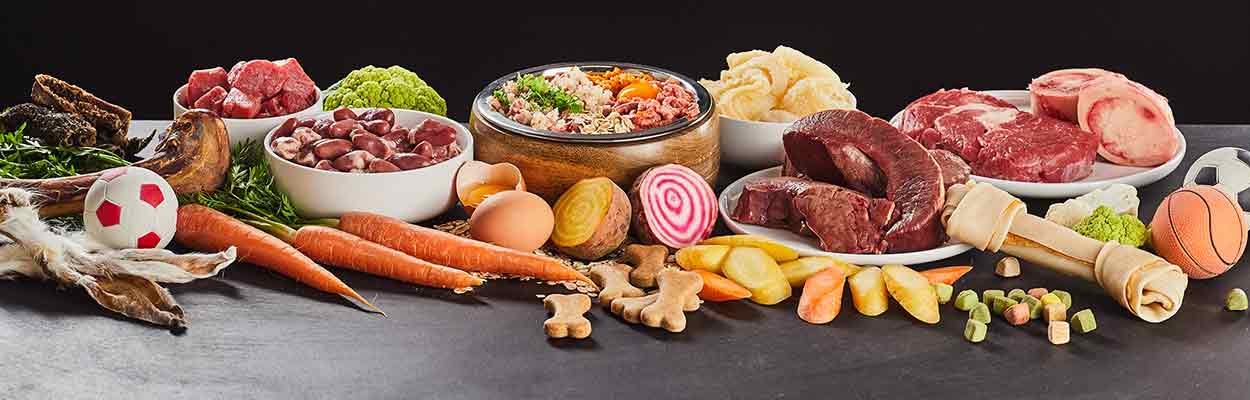
Dry kibble, treats, semi-moist diets, jerky, biscuits, birdseed, small-mammal feed across pillow bags, gusseted bags, stand-up pouches, and sewn-bottom seed bags.
What we do
Pet food sells on smell. The fats and oils sprayed onto extruded kibble, baked into biscuits, and pressed into jerky treats are also the first thing to oxidize, taking aroma, palatability, and shelf life with them. Sunflower, safflower, and millet in birdseed go rancid the same way. Nitrogen flushing at the bagger displaces oxygen at sealing, locks in aroma, and stops fat oxidation across a 12 to 24 month retail window. Gas Generation Solutions designs on-site nitrogen generators for extruded dry-kibble plants, treat and biscuit co-packers, semi-moist diet producers, jerky operations, and wild birdseed and small-animal feed packagers. Our systems produce nitrogen at purities from 95% up to 99.9995%, reducing gas costs by up to 90% compared to delivered nitrogen. Gas Generation Solutions has been in business since 1979. Our USA-built systems ship across the United States, Mexico, and Canada. For broader packaging science see our MAP nitrogen page or the food grade cornerstone.
Customer-packaged output
Dog food, cat food, and treats flushed with on-site nitrogen

Dog food
Extruded kibble in retail bag formats
High-fat extruded kibble across 5 to 50 lb gusseted, stand-up, and pillow-bag formats.

Cat food
Dry cat food across smaller-bag SKUs
Smaller-bag dry cat food and indoor formulas in 3 to 22 lb gusseted and stand-up pouches.

Treats
Dog and cat treat pouches and bags
Jerky, biscuit, freeze-dried, and dental treat pouches in stand-up and resealable formats.
Applications
How nitrogen is used in pet food packaging
A correctly sized on-site generator supplies every nitrogen point of use in a pet food plant from a single source: kibble bagging, treat pouch fill, semi-moist sealing, birdseed VFFS and sewn-bottom bag lines, ingredient blender headspace, and bulk tote inerting between extruder and packaging.
Dry kibble VFFS bagging
Vertical form-fill-seal baggers running 5 to 50 lb dog and cat kibble bags use a nitrogen flush at the form tube to displace oxygen before the bag is sealed, locking aroma and stopping fat oxidation.
Treat and biscuit pouches
Stand-up resealable pouches for jerky, freeze-dried, biscuit, and dental treats use nitrogen flushing inside the pouch headspace before the closure is sealed.
Semi-moist diets
Soft semi-moist dog and cat foods packaged in pouches and resealable bags use nitrogen flushing to slow microbial growth and protect humectant-driven texture across distribution.
Birdseed VFFS and sewn-bottom bags
Wild birdseed and small-mammal feed in sewn-bottom paper, polywoven, and gusseted plastic bags use nitrogen flushing to halt rancidity in oil-rich sunflower, safflower, peanut, and millet.
Ingredient blender headspace
Ribbon blenders and post-extruder coating drums where fat is sprayed onto warm kibble are blanketed with nitrogen to prevent oxidation between extruder discharge and bagger.
Bulk tote and IBC blanketing
Reusable bulk totes and intermediate bulk containers used to ship finished kibble between sites or to private-label co-packers are blanketed with nitrogen to hold quality through transport.
One generator, plant-wide supply. A properly sized on-site system feeds every kibble bagger, treat pouch line, birdseed bagger, semi-moist sealer, and ingredient blender from one source. One generator replaces the complete delivered-nitrogen supply chain.
Pet food categories
Pet food and seed formats that use nitrogen flush
Each pet food SKU has its own fat content, moisture activity, and aroma profile. Nitrogen flushing protects every category from extruded kibble bags down to single-serve treat pouches and seed bags.
Dry dog food
Extruded kibble in 5 to 50 lb gusseted, stand-up, and pillow bags.
Dry cat food
Indoor, weight-control, and life-stage formulas in 3 to 22 lb bags.
Jerky & meat treats
Meat strips, training treats, and freeze-dried protein in resealable pouches.
Biscuits & baked treats
Hard biscuits, crunchy treats, and dental chew bones in stand-up pouches.
Semi-moist diets
Soft semi-moist dog and cat foods in resealable pouches and bags.
Wild birdseed
Sunflower, safflower, peanut, millet, and mixed-blend wild bird feed.
Small-animal feed
Rabbit, guinea pig, hamster, and chinchilla diets; fish flakes and pellets.
Specialty & private label
Veterinary diets, raw-frozen complements, freeze-dried meals, private-label co-pack.
Sized to the full plant lineup. We size the generator to a pet food plant’s entire SKU range rather than a single line. New diets, new formats, and private-label runs slot into existing capacity rather than triggering a new gas contract.
Purity & rancidity
Three purity tiers tuned to fat content and aroma volatility.
Nitrogen purity
99% baseline kibble, 99.5% for high-fat and treat formulas, 99.9% for premium long-shelf programs
Pet food packaging runs across a wider purity range than most F&B segments because fat content varies from roughly 8% in standard kibble up to 25% or more in jerky, freeze-dried, and high-energy formulations. Higher fat means faster rancidity and tighter residual oxygen targets.
10,000 ppm O₂
Standard for value-tier dry kibble bagging, biscuits, and most birdseed blends. Adequate for 12 to 18 month shelf life under normal retail conditions.
5,000 ppm O₂
High-fat kibble (typically 18% or more crude fat), jerky, dental chews, freeze-dried treats, and oil-rich seed blends like sunflower-heavy wild bird feed.
1,000 ppm O₂
Premium long-shelf-life programs: freeze-dried raw, super-premium kibble, veterinary therapeutic diets, single-protein and limited-ingredient SKUs targeting 24 month retail shelf life.
Why oxygen matters
Aroma sells, oxidation kills it
Pet food sells on smell. The fat coating sprayed onto extruded kibble and the digest applied during finishing carry the volatile aroma compounds that drive palatability. Once the bag is opened, oxygen begins oxidizing those fats and the aroma fades. Inside the sealed bag, the same reaction runs more slowly but never stops. Nitrogen flushing displaces oxygen at fill so the headspace stays inert across the full distribution window.
Target O₂ in pack
Headspace oxygen below 1% is the standard target for high-fat kibble, treats, and oil-rich seed. Below 0.5% for premium long-shelf programs and freeze-dried diets.
Shelf life multiplier
Shelf life of high-fat kibble, jerky treats, and oil-rich birdseed extends three to six times the air-packed equivalent under nitrogen flush.
Typical shelf life
Nitrogen-flushed dry kibble, treats, and birdseed routinely hold 12 to 24 months at ambient retail conditions, with premium programs targeting the upper end.
Equipment compatibility
Built for every major pet food packaging OEM
Our nitrogen generators supply pet food packaging equipment from every major OEM, including large-bag kibble VFFS lines, treat pouch fillers, semi-moist sealers, sewn-bottom birdseed baggers, and bulk seed lines. Each machine has its own inlet pressure, flow, and purity spec; we review the spec sheet, match the generator output, and confirm compatibility before quoting.
Sizing & ROI
Sized to measured demand, paid back in 12 to 14 months
Pet food plant tiers
Nitrogen consumption by operation size
Specialty co-packer or single-line treats
One pouch line for jerky, freeze-dried, biscuits, or specialty kibble. Boutique brands, regional treat co-packers, small birdseed operations.
Regional pet food plant
Two to four packaging lines spanning kibble VFFS, treat pouches, and semi-moist. Mid-sized regional brands and private-label co-packers.
Large extrusion plant
Multiple kibble VFFS lines plus treat pouches, birdseed lines, and post-extruder coating drum inerting. National-brand and large private-label operations.
Mega-plant multi-line operations
National-brand multi-extruder mega-plants running kibble, treats, semi-moist, and birdseed simultaneously, with bulk tote and IBC blanketing.
Our free flow meter rental with cellular data logger measures actual plant consumption over days or weeks of normal production. The data logger transmits readings without plant WiFi or network access. Measured data drives sizing instead of nameplate estimates that often overstate demand.
Cost & payback
Up to 90% lower gas cost vs delivered nitrogen
12–14 mo
Typical payback
20+ yr
Service life
$30,000 to $400,000+ system price range for pet food operations.
Delivered nitrogen for a kibble plant carries compounding costs: gas charges, dewar rental, hazmat fees, delivery surcharges, and 2 to 8% per day boil-off from idle liquid tanks. Large-bag VFFS lines move serious gas volume on every flush, and a single missed delivery can shut down a private-label run. On-site generation eliminates all of that. Recurring cost is electricity for compressed air plus routine filter changes. Over a 20-year service life, cumulative savings on a regional pet food plant routinely clear several hundred thousand dollars; mega-plant operations see seven figures in lifetime savings.
Food safety & freshness
12 to 24 months of pet food shelf life from a consistent gas supply
Nitrogen used in pet food packaging is food-grade inert gas, listed as Generally Recognized As Safe under FDA 21 CFR 184.1540 and accepted across AAFCO model regulations for animal feed and pet food. It controls fat oxidation, color loss, and aroma volatility across every category in the plant.
- Fat rancidity:slowed in extruded kibble, jerky, freeze-dried, and oil-rich seed
- Aroma preservation:volatile palatants and digest compounds held through retail distribution
- Color stability:protected in red protein meals, paprika colorants, and kibble surface coating
- Shelf life:12 to 24 months ambient retail, with premium long-shelf programs at the upper end
Maintenance
Three filter changes a year, no service contract required
Pet food plant nitrogen generators require minimal routine maintenance. Plant maintenance teams perform filter changes themselves. Annual filter cost is typically a few hundred dollars depending on system size.
- Every 3 months:water and dirt filter change
- Every 6 months:oil filter change, valve and safety device inspection
- Every 12 months:charcoal final filter change
- Sealed sieve beds:no top-off required under normal operation
Related pages
MAP science, food grade context, and sibling F&B pages
The pet food page is one part of a broader F&B cluster. Go up to MAP packaging science and the food grade cornerstone, or across to other F&B segments.
MAP sub-hub
Nitrogen Generator for Food Packaging and MAP
F&B cornerstone
Food Grade Nitrogen Gas Generator
Snack Food
100% N₂Chips, jerky, nuts, popcorn, trail mix.
Coffee
100% N₂Whole bean, ground, pods, RTD, cold brew.
Cheese
60/40 · 70/30Shredded, sliced, block, grated, bulk.
Salad & Lettuce
EMAPSpring mix, baby greens, romaine, slaw.
Salad Condiments
Master packDressings, kits, packets, single-serve pouches.
Wineries
SpargingTank blanketing, sparging, bottle inerting.
Shelf Life Data
ReferenceMeasured shelf life gains by food category.
Frequently asked
Questions about pet food packaging nitrogen generators
What purity of nitrogen is required for pet food, treats, and birdseed packaging?
Pet food packaging runs at 99% to 99.9% nitrogen purity (1,000 to 10,000 ppm oxygen). Value-tier dry kibble, biscuits, and most birdseed blends run at 99%. High-fat kibble (typically 18% or more crude fat), jerky, dental chews, freeze-dried treats, and oil-rich seed blends run at 99.5%. Premium long-shelf-life programs, super-premium kibble, freeze-dried raw, and veterinary therapeutic diets run at 99.9%.
How long does nitrogen-flushed pet food last vs air-packed?
Nitrogen-flushed dry kibble, treats, and birdseed routinely hold 12 to 24 months at ambient retail conditions, with premium long-shelf programs targeting the upper end. Shelf life extends three to six times the air-packed equivalent under nitrogen flush. The headline gain comes from suppressing fat oxidation, which is the failure mode that drives both rancidity and aroma loss.
Why does pet food need nitrogen flushing if the bag is already barrier film?
A barrier film stops new oxygen from entering, but it does not remove the air that is already inside the bag at the moment of sealing. A 30 lb kibble bag commonly traps 1 to 3 liters of air in the headspace and within the porous kibble matrix. Nitrogen flushing displaces that trapped oxygen at fill so the headspace and the interior atmosphere both start the journey to retail at a near-inert state. Without the flush, fat oxidation begins immediately and aroma fades inside the still-sealed bag.
Does birdseed need nitrogen flushing?
Yes, particularly for oil-rich blends. Sunflower, safflower, peanut, and other oil-bearing seeds go rancid the same way pet food fats do. Nitrogen flushing on birdseed VFFS and sewn-bottom bag lines extends shelf life and protects flavor and oil quality, which matters for both finch and songbird palatability and for retail quality on slow-moving SKUs. Lower-oil filler seeds like millet and milo benefit less but cost nothing extra to protect when the gas is already flowing on the line.
How much does a nitrogen generator for a pet food plant cost?
Systems for pet food operations typically range from approximately $30,000 for a single-line specialty co-packer or boutique brand up to $400,000 or more for national-brand multi-extruder mega-plants running kibble, treats, semi-moist, and birdseed simultaneously. Price depends on total flow rate, required purity, delivery pressure, and any redundancy requirements. Average payback remains 12 to 14 months because kibble VFFS lines move serious gas volume on every flush.
How much nitrogen does a pet food packaging line use?
Consumption varies by bag size, line speed, and format mix. Specialty co-packers and single-line treat operations typically use 300 to 1,000 SCFH. Regional pet food plants with two to four lines use 1,000 to 4,000 SCFH. Large extrusion plants with multiple kibble VFFS lines plus treats and birdseed use 4,000 to 15,000 SCFH. National-brand mega-plants use 15,000 to 40,000 SCFH or more. Our free flow meter rental with cellular data logger measures actual consumption so the generator is sized to real demand.
Is the same generator suitable for kibble, treats, and birdseed at the same time?
Yes. A single generator sized to total plant demand supplies every pet food and seed format from one source: kibble VFFS, treat pouches, semi-moist sealers, sewn-bottom birdseed lines, ingredient blender headspace, and bulk tote inerting. The generator delivers nitrogen at the highest purity any line on the floor requires; lines running at lower purity simply use the same gas at the same spec. This is more cost-effective than separate supplies at each line.
How long does a nitrogen generator last in a pet food extrusion plant?
Our systems are designed for 20 years or more of continuous service. Sealed sieve beds do not require replacement or top-off under normal operating conditions. Competing systems using flanged sieve beds may require sieve replacement every 8 to 10 years, which is a significant hidden cost over the life of the equipment. Call 760-505-1300 or contact us here for a same-day quotation.
Size Your Pet Food Plant System
Borrow a flow meter. Size the generator to your actual plant demand.
We rent a flow meter at no charge, sized for kibble VFFS, treat pouch, semi-moist, and birdseed service. The meter installs inline between your current nitrogen supply and your packaging lines, with a cellular data logger so you can view flow rate and pressure in real time on our dedicated server. No WiFi required at your facility. After a few weeks of normal production we size the generator and storage to your measured peak simultaneous demand, not a nameplate estimate. Most pet food plants recover their full system investment inside 14 months.
Already know your flow, purity, and pressure? Send them over with your packaging equipment list and we will return a complete quotation the same day.