
On-Site Nitrogen Generation
Nitrogen Generators for LC-MS
A nitrogen generator for LC-MS produces the nebulizer and drying gas your mass spectrometer needs continuously from compressed air, so the instrument never waits on a cylinder swap or a bulk delivery. LC-MS draws nitrogen at high flow but only needs 99% purity, which makes it one of the best analytical instruments to put on an on-site generator. The same system can also supply additional LC-MS and QTOF platforms across the lab.
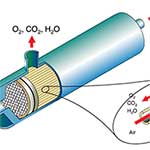
Purity LC-MS needs
Typical LC-MS nitrogen flow
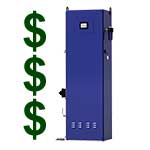
Gas cost vs delivered nitrogen
Domestic build, ASME tanks standard
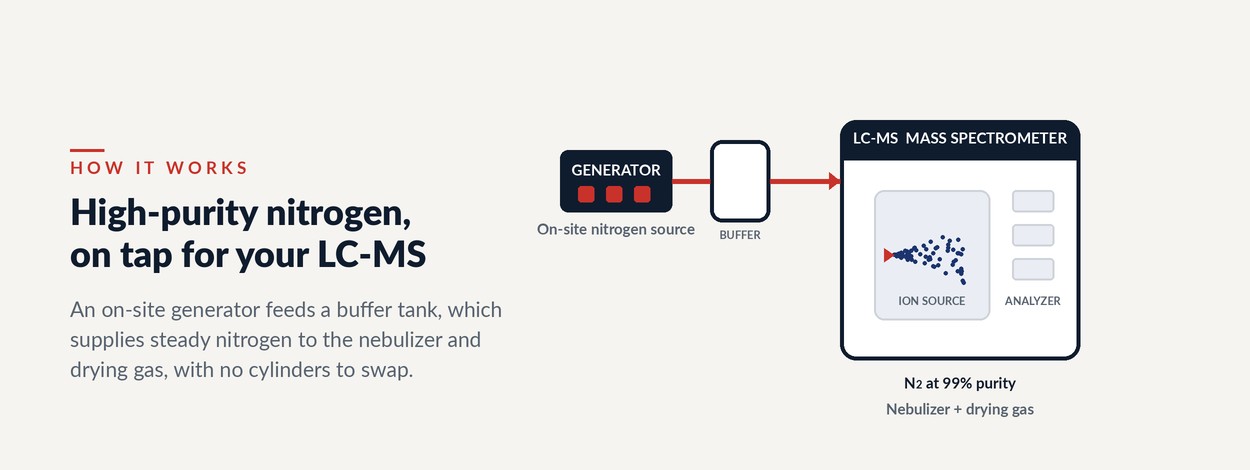
How LC-MS Uses Nitrogen
Why LC-MS runs on nitrogen
Liquid chromatography mass spectrometry separates a sample in liquid, then ionizes it and weighs the ions. The ionization source, usually electrospray, relies on nitrogen to turn that liquid stream into clean, dry ions. A single LC-MS draws nitrogen continuously at about 21 LPM, roughly 44 SCFH, at around 100 PSIG, and needs only 99% purity or higher. That combination of steady high flow and modest purity is exactly where an on-site generator beats delivered gas.
Inside the source, nitrogen does three jobs at once.
Nebulizer gas
Atomize the sample
Nitrogen flows around the spray needle to break the liquid eluent from the LC column into a fine mist of charged droplets. Steady nebulizer flow keeps the spray stable, which keeps signal consistent from injection to injection.
Drying gas
Strip away solvent
Heated nitrogen evaporates solvent off the droplets so bare ions can enter the analyzer. This drying or desolvation gas is the highest-flow nitrogen demand in the source, which is why LC-MS labs go through so much delivered gas.
Curtain and exhaust
Keep the inlet clean
A nitrogen curtain at the inlet pushes neutral solvent and contaminants away from the orifice, protecting the analyzer and reducing background. It runs whenever the instrument is on, so the supply has to be uninterrupted.
Right-Sizing The System
Which instruments suit an on-site generator
Not every mass spectrometer is a good candidate for a generator, and the answer is often the opposite of what labs expect. We size to your actual instruments rather than to the highest-purity spec in the room.
Excellent fit
LC-MS
The classic generator candidate. High continuous flow near 21 LPM at only 99% purity means a small to mid-size system pays for itself fast and replaces a steady stream of cylinder or bulk deliveries. This is the bread-and-butter pitch for a lab that runs LC-MS daily.
Excellent fit
QTOF and high-flow MS
Quadrupole time-of-flight instruments use even more nitrogen, from roughly 18 to 60 LPM depending on the model and source. Drying gas needs about 95% purity while a collision cell can call for 99.998%. We confirm the exact model before sizing, because that flow range varies more than threefold.
Often better on cylinders
GC-MS on its own
GC-MS uses nitrogen only as a low-flow detector and makeup gas, so a single UHP cylinder can last years. On its own it rarely justifies a generator. We will tell you so, and instead pair a generator with your LC-MS or QTOF where the economics actually work.
Excellent fit
Multi-instrument labs
One generator can feed several instruments at once when it is sized to their combined peak demand. We map every nitrogen user in the lab, the same way we do across the rest of our laboratory nitrogen generator work, and size one system to cover them all.
Why Generate It On Site
LC-MS is built for on-site nitrogen
An LC-MS runs nitrogen all day at a flow that empties cylinders and dewars quickly, yet it only needs 99% purity. Pulling that nitrogen from compressed air right next to the instrument turns a recurring delivery cost into a fixed power cost and takes run-outs off the table.
Lower operating cost
On-site generation produces nitrogen at up to 90% less than delivered cylinders or bulk liquid. For a lab running LC-MS daily, most customers recover the full investment in 12 to 14 months, and the system runs for 20 years or more.
Purity matched to the instrument
LC-MS needs 99% or higher nitrogen, not the ultra-high-purity grade some labs assume. We dial the system to the purity your source and analyzer require, and every generator includes a built-in oxygen analyzer so you can verify it is on spec.
Stable supply, stable data
An LC-MS source needs uninterrupted gas to hold a steady spray. On-site generation feeds a buffer tank continuously, so there are no delivery gaps, no last cylinder running dry mid-run, and no pressure swings that show up in your results.
Sized to your real demand
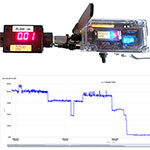
If you are not sure of your combined nitrogen draw, we send a flow meter at no cost with a cellular logger that streams your real usage to a web dashboard. The system is then sized to actual demand across every instrument, not a guess.
Common Questions
Nitrogen generator for LC-MS FAQ
What nitrogen purity does an LC-MS need?
Most LC-MS instruments run on 99% nitrogen or higher for nebulizer and drying gas. That is well below the ultra-high-purity grade some labs assume they need, and it is comfortably within the range an on-site generator delivers. We size the system to your source and analyzer requirements, and every generator includes a built-in oxygen analyzer so you can confirm purity at any time.
How much nitrogen does an LC-MS use?
A typical LC-MS draws about 21 LPM, roughly 44 SCFH, at around 100 PSIG, running continuously while the instrument is on. QTOF and other high-flow platforms use more, from about 18 to 60 LPM depending on the model and source. Because the demand is steady and never stops, it adds up to a large delivered-gas bill, which is exactly what on-site generation eliminates.
Is a nitrogen generator worth it for LC-MS?
For a lab that runs LC-MS regularly, yes. On-site generation produces nitrogen at up to 90% less than delivered cylinders or bulk liquid, and most customers recover the full investment within 12 to 14 months. The system runs for 20 years or more and removes the cylinder swaps, dewar deliveries, and run-out risk that interrupt analytical work.
Do I need a nitrogen generator for my GC-MS too?
Usually not on its own. GC-MS uses nitrogen only as a low-flow detector and makeup gas, so a single ultra-high-purity cylinder can last years and a generator rarely pays back for that instrument alone. The economics work when nitrogen demand is high, which is why we pair a generator with your LC-MS or QTOF and often leave the GC-MS on cylinders.
Can one nitrogen generator supply multiple lab instruments?
Yes. A single generator and buffer tank can feed several instruments at once when it is sized to their combined peak demand. We inventory every nitrogen user in the lab, confirm each instrument model, and size one system to cover them all, with headroom for the next instrument you add.
How do you size a nitrogen generator for an LC-MS lab?
We start by listing every instrument that uses nitrogen and confirming exact model numbers, since flow varies widely by source. If you do not know your real demand, we send a flow meter at no cost with a cellular logger that streams your usage to a web dashboard. The generator is then sized to measured peak flow plus a buffer, not to an estimate.
Build On What You Know
Resources to spec your system
Stop Buying Cylinders
Size a nitrogen generator for your LC-MS
Tell us which mass spectrometers you run and their model numbers, and we will size the on-site nitrogen system and quote the complete package. If you do not know your nitrogen usage yet, we will send a flow meter at no cost to measure your real demand across every instrument first. No obligation.